Author
For many years I’ve been researching stories behind familiar places in the New Forest. These places include woodland tracks, quiet lanes, rivers, and open heathland, so much of which was transformed during the Second World War.
I am not interested so much in war itself – it’s more the human stories that interest me, and the impact the conflict had on local landscapes, archaeology, and social history of the area.
My aim is simple: to tell clear, accurate and stories that connect today’s landscape with the people who once served here – and I do that with the talks I give.
But I also do this with my written work.
Each month you can read my history articles in the Waterside Herald paper.
Published Work
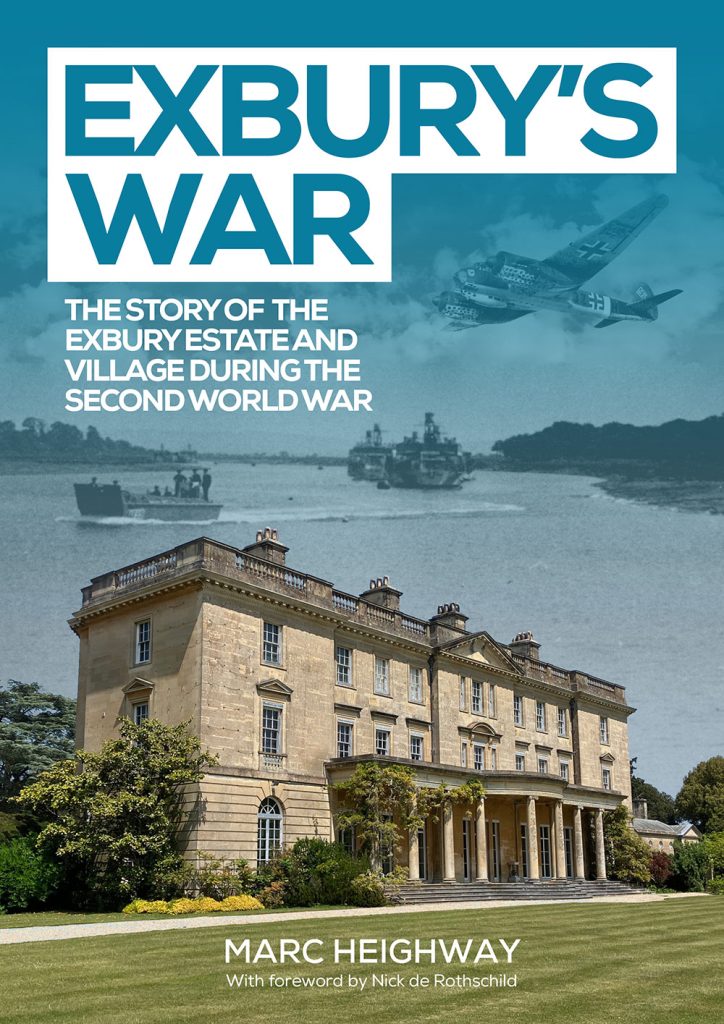
Exbury’s War: The Story of the Exbury Estate and Village During the Second World War
Exbury is a place of peace set in a quiet corner of the New Forest, defined by its gardens, nearby river, and rural charm. But during the Second World War, this tranquil estate stood on the front line of a nation preparing for invasion.
In this deeply researched and vividly told account, Marc Heighway uncovers the hidden wartime story of Exbury. From the requisition of Exbury House and local properties as the Royal Navy base HMS Mastodon, to its role in the vast and complex preparations for D-Day.
Through personal recollections, letters, and local records, this book brings to life the experiences of those who lived and worked on the estate. Villagers navigating blackout nights. Children
sheltering from air raids. Land Girls, evacuees, sailors, and soldiers who were all bound together in a small community shaped by extraordinary circumstances.
Set against the backdrop of global conflict, Exbury’s War reveals how one seemingly quiet village became part of a much larger story: a vital cog in the machinery of victory.
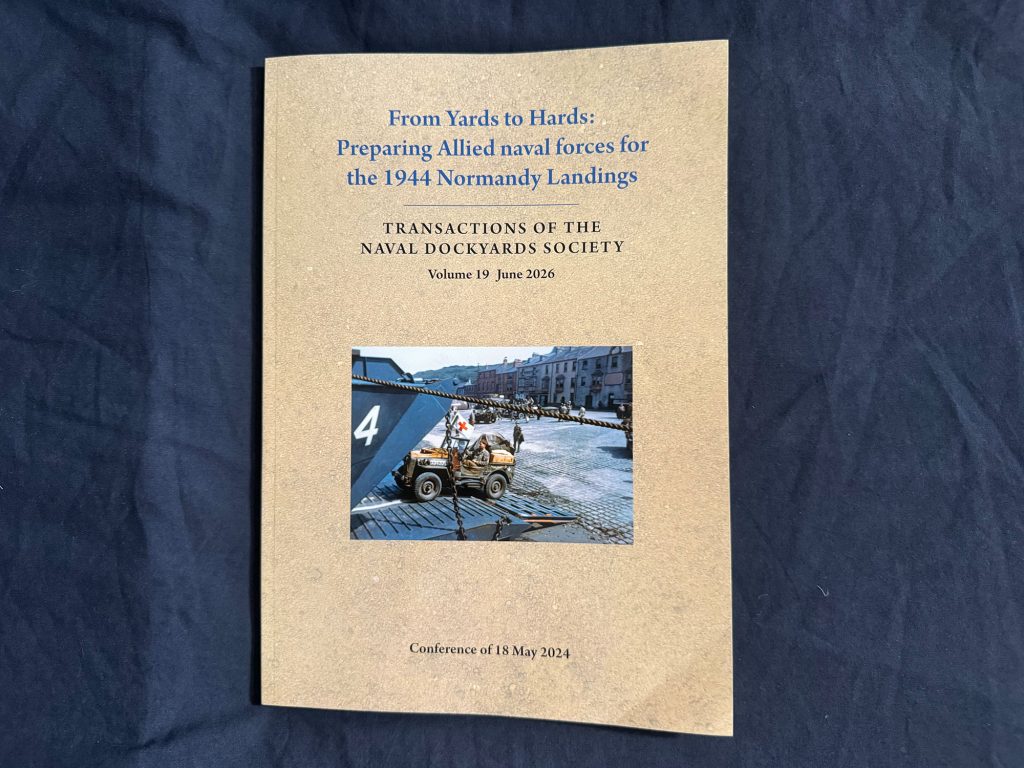
When War Came to the River (Naval Dockyards Society Publication Volume.19, 2026)
Prior to the Second World War, the Beaulieu River, on the north shore of the Solent, was a peaceful and unspoiled waterway, renowned for its natural beauty and shipbuilding heritage dating back to the 1700s. But following the fall of France in June 1940, it underwent a dramatic transformation, becoming an important asset in Britain’s war effort. This article explores how the river and the immediate surrounding areas were gradually requisitioned and repurposed for naval operations, secret training missions, and preparations for the Allied invasion of Europe.
Defences including pillboxes and anti-tank obstacles were initially built into the village to guard against a potential German invasion, and by 1942 the Admiralty had taken control of the entire river. Key locations including Buckler’s Hard and Exbury House were subsequently transformed into important military sites. HMS Mastodon, a naval base established at Exbury, became a site for landing craft training, logistics, and supply, while Bailey’s Hard on the opposite side of the river was used to fit out wooden minesweepers. The river also played a part in deception efforts as dummy landing craft were constructed then launched from the riverbank as part of Operation Quicksilver.
Later in the war, the Beaulieu River contributed to the success of D-Day, supporting the construction of Mulberry Harbour components, extensive troop training, and the assembly of landing craft. It was also used as a location to unusual and experimental inventions developed by the Department of Miscellaneous Weapons Development.
After the war, the river gradually returned to civilian use, though many scars from wartime use remain to this day.